Sì, un Ricevitore AV con decodifica a 13 canali vale la pena nel 2026 per la maggior parte dei proprietari di home theater. Questo aggiornamento trasforma la tua stanza in un palcoscenico sonoro 3D. Tuttavia, non è plug-and-play per ogni configurazione. Devi prima eseguire una valutazione personale su cinque condizioni specifiche prima di spendere denaro.
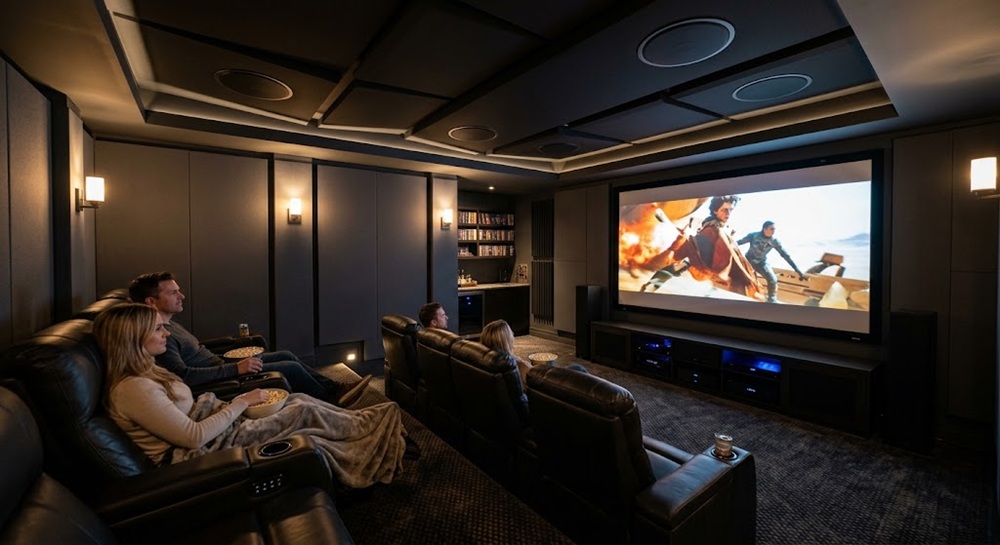
Troverai che un amplificatore Atmos vale l'investimento nel 2026 per la maggior parte delle configurazioni home theater. Questa tecnologia crea un campo sonoro tridimensionale. Senti gli elicotteri volare sopra la testa. La pioggia cade dall'alto. L'esperienza sembra reale.
I ricevitori moderni ora supportano 13 canali di decodifica. Questa capacità offre un audio coinvolgente senza costi eccessivi. Ottieni un aggiornamento significativo rispetto al tradizionale audio surround.
Dovresti evitare questo aggiornamento in determinate condizioni. Considera questi motivi comuni:
Se una di queste situazioni descrive la tua configurazione, risparmia i tuoi soldi. Un ricevitore Tonewinner offre una strada migliore quando decidi di aggiornare.
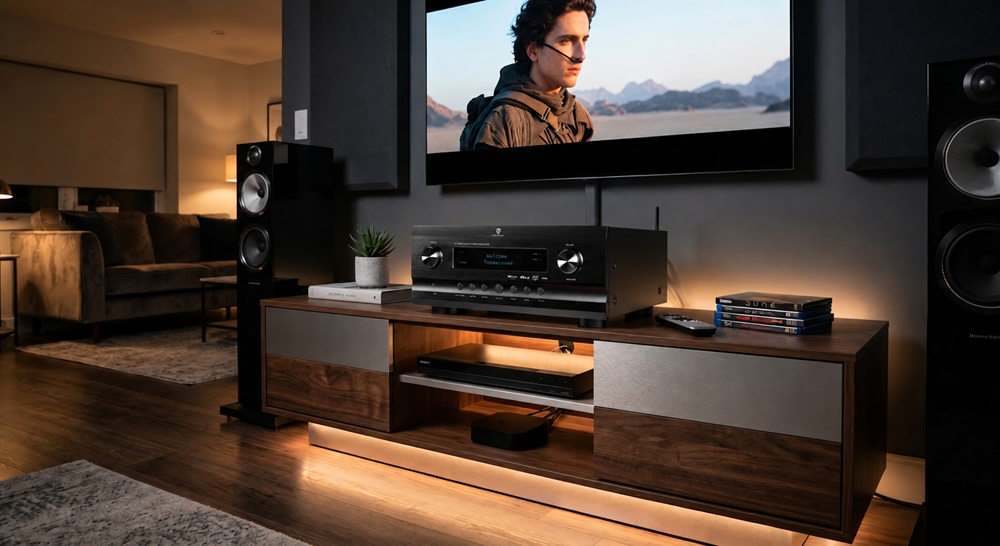
La sfida del canale di altezza
I canali di altezza Atmos sparano il suono verso l'alto o verso il basso dal soffitto. Questo design crea gli effetti dall'alto che definiscono l'audio coinvolgente. Il tuo soffitto diventa una parte attiva del tuo sistema audio. Una superficie piana e riflettente rimbalza l'audio con precisione verso la tua posizione di ascolto. Un soffitto angolato o a volta disperde quei riflessi. Perdi la precisione che rende Atmos avvincente.
Dovresti misurare il tuo soffitto prima di acquistare qualsiasi amplificatore. La tabella seguente mostra gli standard del 2026 per le prestazioni dei canali di altezza.
|
Requisito |
Specifica |
|
Piattezza del soffitto |
Deve essere piatto — non angolato o a volta |
|
Materiale del soffitto |
Acusticamente riflettente (ad es. cartongesso, intonaco, legno duro o altro materiale rigido non fonoassorbente) |
|
Intervallo di altezza del soffitto accettabile |
Da 7,5 a 14 piedi (da 2,3 a 4,3 metri) |
|
Intervallo di altezza del soffitto ideale |
Da 7,5 a 12 piedi (da 2,3 a 3,66 metri) |
Soddisfi le condizioni ideali con un soffitto piatto tra 7,5 e 12 piedi. Il cartongesso e l'intonaco funzionano bene. Questi materiali riflettono il suono in modo efficiente.
Puoi comunque goderti Atmos con un soffitto a volta o una stanza al di fuori dell'intervallo ideale. Gli altoparlanti up-firing posizionati sopra i diffusori anteriori e posteriori offrono una soluzione alternativa. Questi moduli fanno rimbalzare il suono sul soffitto con un'angolazione specifica. L'effetto risulta meno preciso rispetto agli altoparlanti a soffitto dedicati. Ottieni una presenza sonora dall'alto senza dover intervenire sul cartongesso.
Un Tonewinner ricevitore gestisce entrambe le configurazioni con la stessa facilità. Il software di calibrazione integrato regola la temporizzazione dei canali di altezza per la tua stanza specifica. Ottieni un audio dall'alto ottimizzato indipendentemente dalla forma del tuo soffitto.
La lista di controllo per potenza e canali
I tuoi altoparlanti devono corrispondere all'uscita di un sintoamplificatore AV con decodifica a 13 canali. Hai bisogno di un numero sufficiente di canali per ogni altoparlante nel tuo layout. Una configurazione 7.2.4 richiede tredici canali discreti di amplificazione. Ogni canale deve fornire un wattaggio adeguato per le dimensioni della tua stanza.
|
Dimensioni della stanza (piedi quadrati) |
Watt minimi consigliati per canale |
|
Meno di 200 |
50–100 |
|
200–500 |
80–150 |
|
500+ |
100–150 |
Dovresti verificare l'impedenza dei tuoi altoparlanti. La maggior parte degli altoparlanti per home theater funziona a 4 o 8 ohm. Un sintoamplificatore AV con decodifica a 13 canali deve gestire entrambe le specifiche senza sforzo. Controlla la potenza nominale dell'alimentatore prima dell'acquisto.
Il tuo ricevitore attuale potrebbe non avere i canali necessari per Atmos. Molti modelli più vecchi sono limitati a sette canali. Non puoi aggiungere altoparlanti di altezza senza un'amplificazione aggiuntiva. I tuoi altoparlanti potrebbero anche richiedere più potenza di quella fornita dal tuo ricevitore. Un amplificatore debole distorce il suono ad alto volume. Questa distorsione rovina l'esperienza immersiva.
Tonewinner costruisce ricevitori che risolvono questi problemi di compatibilità. I loro modelli di sintoamplificatore AV con decodifica a 13 canali forniscono una potenza stabile su tutti i canali. Ottieni un audio pulito a ogni livello di volume. Il sistema di calibrazione integrato abbina automaticamente i tuoi altoparlanti. Eviti le congetture della configurazione manuale. Tonewinner supporta anche altoparlanti sia da 4 che da 8 ohm. Questa flessibilità significa che puoi mantenere i tuoi altoparlanti esistenti. Aggiorni il tuo ricevitore senza sostituire l'intero sistema.
Un amplificatore potente non può compensare materiale sorgente debole. Hai bisogno di contenuti mixati in Dolby Atmos. Senza di essi, i tuoi canali di altezza rimangono silenziosi. Il tuo investimento non porta alcun beneficio. Esamina le tue fonti di contenuti prima di acquistare.
I servizi di streaming offrono ora centinaia di titoli Atmos. Netflix include Atmos nella maggior parte delle serie originali. Disney+ fornisce Atmos per i film Marvel, Star Wars e Pixar. Apple TV+ offre Atmos su quasi ogni titolo. Apple Music e Tidal offrono migliaia di tracce musicali in Atmos. Un ricevitore Tonewinner decodifica tutti questi formati senza problemi. Accedi all'intera libreria con un unico abbonamento.
Non tutto l'audio Atmos suona in modo identico. La qualità dipende dalla tua sorgente.
|
Aspetto |
Streaming |
Supporti fisici |
|
Codec audio |
Dolby Digital Plus con Atmos |
Dolby TrueHD con Atmos |
|
Bitrate |
448–768 kbps |
Fino a 18 Mbps |
|
Qualità del suono |
Buona, con lieve compressione |
Qualità di riferimento senza perdita (lossless) |
|
Praticità |
Accesso istantaneo, niente dischi |
Richiede un lettore Blu-ray |
Lo streaming Atmos offre effetti overhead e dialoghi nitidi. I supporti fisici forniscono un audio senza compromessi. Sperimenti una gamma dinamica e un dettaglio completi. Un ricevitore Tonewinner gestisce entrambe le sorgenti con uguale precisione. I suoi DAC ad alte prestazioni rivelano la differenza tra Atmos compresso e lossless.
Puoi spendere da 500 $ a oltre 5.000 $ per un amplificatore Atmos. Ogni fascia di prezzo offre un diverso livello di prestazioni. La tabella sottostante mostra cosa ottieni a ogni livello.
|
Fascia |
Fascia di prezzo |
Cosa ottieni |
|
Entry-level |
500 $–1.000 $ |
7–9 canali, correzione ambientale di base, HDMI 2.0 |
|
Mid-range |
1.000 $–2.500 $ |
11–13 canali, calibrazione avanzata, HDMI 2.1 |
|
High-end |
2.500 $+ |
13+ canali, DAC premium, supporto 8K completo |
I ricevitori entry-level gestiscono bene una configurazione 5.1.2. I modelli mid-range sbloccano layout 7.2.4 completi. Le unità high-end aggiungono componenti di qualità di riferimento e maggiore headroom. Tonewinner compete fortemente nella fascia mid-range. Ottieni decodifica a 13 canali e connettività moderna a una frazione dei prezzi dei modelli di punta.
La regola dell'80/20 si applica direttamente agli aggiornamenti Atmos. Ottieni l'80% del miglioramento delle prestazioni con il 20% della spesa massima. Un ricevitore Tonewinner mid-range offre l'esperienza immersiva principale. Senti chiaramente gli effetti overhead. I dialoghi rimangono nitidi. I bassi risultano tesi e controllati.
I modelli high-end aggiungono raffinatezza. Ottieni una distorsione leggermente inferiore e una separazione dei canali marginalmente migliore. Questi miglioramenti contano in stanze dedicate e trattate. La maggior parte dei soggiorni non rivelerà la differenza. Investi prima in diffusori e trattamento acustico della stanza. Aggiorna l'amplificatore per ultimo. Questa strategia massimizza il ritorno su ogni dollaro speso.
L'HDMI 2.1 fornisce la larghezza di banda di cui il tuo sistema ha bisogno per l'Atmos non compresso. Questo standard supporta 4K a 120Hz e 8K a 60Hz. L'eARC invia l'Atmos Dolby TrueHD lossless dalla tua TV al ricevitore. Eviti la perdita di qualità audio introdotta dalle connessioni più vecchie. Il passthrough 8K prepara il tuo impianto per i display futuri. Un ricevitore Tonewinner include tutte e tre le funzionalità. Colleghi le sorgenti di oggi e gli aggiornamenti di domani senza sostituire l'amplificatore.
Il software di correzione ambientale adatta il tuo sistema allo spazio specifico. Misura le distanze dei diffusori, i livelli e la risposta in frequenza. Il software applica quindi filtri che compensano l'acustica della stanza. Soffitti piatti e layout simmetrici raramente esistono nelle case reali. Una correzione ambientale adeguata rende i canali Atmos height precisi nonostante le condizioni imperfette. Senza di essa, echi e onde stazionarie distorcono l'effetto overhead. Un ricevitore Tonewinner include un robusto sistema di calibrazione. Esegui una singola routine di configurazione. Il ricevitore gestisce il resto automaticamente.
Tonewinner costruisce ricevitori che includono HDMI 2.1, eARC e correzione ambientale avanzata come caratteristiche standard. Non paghi un extra per queste funzionalità. I marchi concorrenti spesso riservano il supporto 8K completo e la calibrazione premium ai loro modelli di punta. Tonewinner offre queste caratteristiche in un design a 13 canali a un prezzo mid-range. Il tuo sistema rimane attuale per anni. Le sorgenti di contenuti future si collegano senza adattatori o soluzioni alternative.
La tua decisione dipende da un'analisi personale della stanza, dell'attrezzatura, dei contenuti, del budget e della connettività. Con la stanza e le sorgenti giuste, un amplificatore Atmos rimane uno degli aggiornamenti più incisivi nel 2026. Segui la lista di controllo in cinque punti prima di acquistare. Marchi come Tonewinner offrono caratteristiche di punta senza prezzi di punta.
Hai bisogno di un numero sufficiente di canali per il tuo layout di diffusori. Una configurazione 7.2.4 richiede tredici canali. Un ricevitore AV Tonewinner 13 Ch Decoding copre questo layout senza amplificatori esterni.
Sì. I moduli up-firing fanno rimbalzare il suono sul soffitto. Ottieni effetti overhead senza tagliare il cartongesso. Un ricevitore Tonewinner calibra questi moduli per un posizionamento e una sincronizzazione accurati.
Lo streaming Atmos offre effetti overhead nitidi per la maggior parte delle stanze. I supporti fisici offrono una qualità lossless con bitrate più elevati. Un ricevitore Tonewinner decodifica entrambi i formati e ne rivela la differenza.
Tel : +86 020 3479 6146
Tel : +86 020 3479 7660
WhatsApp : +86 15812388120
E-mail : simi@tonewinner.com
Indirizzo : Building 2, No.1, Hongsheng 3 Road Dashi Street, Panyu District Guangzhou, 511430 China
© 2026 Guangzhou Tonewinner Electronics Co., Ltd
Mappa del sito | XML | politica sulla riservatezza |